

How to Build an Omnichannel Packaging Program
This guide shows DTC brands how to add paper bags to new retail stores without increasing operational costs.
Table of Contents
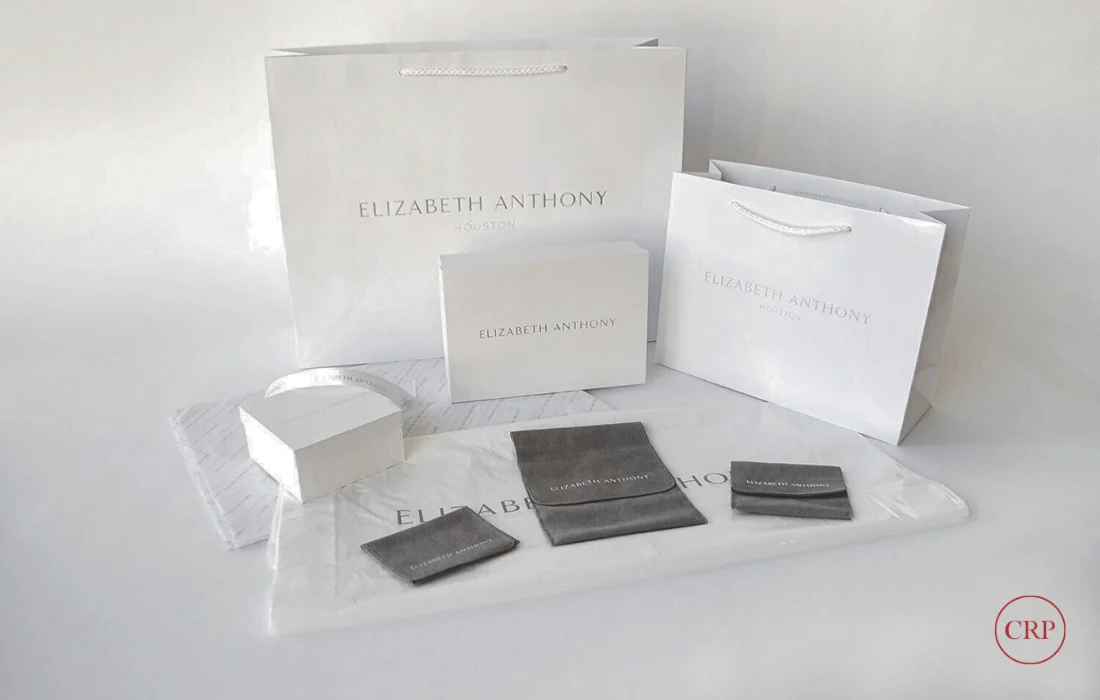
Are you a DTC brand getting ready to launch your first brick-and-mortar location?
Then, you are going to need shopping bags, and a lot of them.
But here is the challenge:
You need to build a packaging program that scales cost-effectively, while delivering a consistent brand experience across channels.
Customers should feel like they are in the same brand environment whether shopping online or in-store.
This guide provides everything you need to know for building an efficient omnichannel packaging program.
What is Omnichannel Packaging?
Omnichannel packaging is a unified packaging system designed to deliver a consistent brand experience, functional performance, and cost efficiency across all customer touchpoints.
This includes ecommerce, retail, buy-online-pick-up-in-store (BOPIS), ship-from-store, and returns.
A cohesive brand experience is maintained regardless of where or how a purchase occurs.
Operational requirements such as shipping, in-store carryout, and returns are supported by design.
An efficient omnichannel program optimizes packaging cost, durability, and sustainability at scale.

Aligning Your Brand Identity Across Channels
Continuity in the customer experience is created when every interaction with your brand feels connected, familiar, and intentional.
Follow these steps to ensure alignment.
- Map the customer journey. Document how customers encounter your brand across e-commerce, retail, pickup, delivery, and returns. This reveals where visual and tactile brand cues must remain consistent.
- Define what must stay consistent. Establish the brand elements that remain fixed, including logo usage, color, typography, and material look and feel. Clear guardrails ensure the brand is recognizable in every environment.
- Design a unified packaging system. Create a family of packaging formats that share common visual and material principles. A system approach maintains cohesion while adapting to different formats.
- Standardize specs and design files. Centralize approved dielines, materials, colors, and artwork. Standardization prevents brand drift as packaging scales across suppliers and locations.
- Test in real operating conditions. Evaluate packaging in stores and fulfillment to confirm brand execution. Real-world validation ensures your brand shows up as intended in every channel.

Designing Your Paper Shopping Bags
To design a practical shopping bag, your brand must balance aesthetics, functionality, and product dimensions.
Below is a complete list of considerations for designing your custom bags.
Sizing Paper Bags
- Measure the largest and most common in-store purchases. Doing so prevents under-sizing that leads to double-bagging or damage.
- Define bag sizes that fit products without excess air. A tighter fit improves carry comfort and reduces material waste.
- Limit the total number of sizes to simplify store operations. Fewer SKUs make checkout faster and inventory easier to manage.
Choosing the Right Material Strength
- Match the paper weight to the heaviest expected in-store load. Proper strength reduces the risk of tearing during carryout.
- Select Kraft grades that balance durability and sustainability. The right grade delivers performance while maintaining recyclability.
- Test bags under real carry conditions before rollout. Field testing reveals issues that may not appear in specs alone.
Selecting the Best Handle Type
- Choose handles based on expected carry weight and distance. Weight and carry time directly affect comfort and perceived quality.
- Prioritize customer comfort for heavier or high-density products. Comfortable handles reduce hand strain and improve usability.
- Validate handle performance with pull and fatigue testing. Repeated stress testing confirms long-term reliability.
Printing and Visual Design
- Apply core brand colors and logos consistently across all bags. Visual consistency strengthens brand recognition in physical retail.
- Select print methods that align with volume and budget. Matching process to scale prevents unnecessary cost increases.
- Ensure artwork remains legible under store lighting conditions. Clear visibility protects brand impact at the point of sale.
Adding Customer Experience Touches
- Add subtle messaging that reinforces brand values. Thoughtful details create an emotional connection without visual clutter.
- Design bags for reuse to extend brand visibility beyond the store. Reusability turns each bag into ongoing exposure.
- Keep enhancements minimal to protect speed at checkout. Simplicity supports efficient operations during peak traffic.
For a more detailed guide on designing custom paper bags, check out our Paper Bag Design Guide.

Making Your Paper Bags 100% Recyclable
Modern consumers demand sustainable packaging.
When building your omnichannel packaging program, 100% recyclable paper bags should be your ultimate goal.
How to maximize recyclability:
Crafting With Uncoated Paper
Opt for uncoated or matte finishes on your bags instead of glossy or laminated coatings.
Coatings like plastic film, laminate, or wax can prevent bags from being recyclable.
Uncoated kraft paper bags not only convey an authentic look but also ensure they can be recycled everywhere.
Opting for Paper Handles
Select twisted paper or flat paper handles over any plastic or polyester rope handles.
This allows the entire paper bag to be recycled without any extra steps.
Paper handles nowadays can be made quite sturdy, and many eco-conscious brands use them even on large bags.
Using Sustainable Inks and Adhesives
Print with water-based or soy-based inks, rather than inks with heavy solvents or toxins.
Similarly, ensure any glues or adhesives are natural, non-toxic, and/or water-soluble.
Many eco-conscious packaging suppliers offer these options as part of their green product lines.
Sustainable inks and adhesives don’t contaminate the recycling process, allowing customers to recycle with ease.
Designing With Foils and Extras
If you’re going for a glossy appeal, consider metallic inks or sustainable foil alternatives that don’t disrupt recyclability.
Embossing or debossing can add a premium feel without adding non-paper materials.
Using metallic inks, sustainable foil alternatives, and embossing techniques preserves a paper-only construction.
Maintaining material purity ensures your shopping bags can move cleanly through standard paper recycling streams.
Constructing With Recycled Content
Whenever possible, use paper that contains recycled fiber.
Many of our clients choose recycled kraft paper for their bags, made anywhere from 40-100% post-consumer recycled (PCR) content.
Recycled content creates demand for recycled paper, reduces the need for virgin material, and supports a circular economy.
It also gives the bag a natural look that resonates with eco-conscious shoppers.
FSC® Certification
The best way to ensure responsible sourcing is to choose FSC-certified paper for your shopping bags.
Forest Stewardship Council (FSC) certification means the paper comes from responsibly-managed forests, and not from illegal logging or deforestation.
There are three different types of FSC labels, and all of them will add credibility to your sustainability claims.
- 100% FSC®
- FSC® Recycled
- FSC® Mix
Communicating End-of-Life
Make it easy for customers to dispose of your shopping bags properly.
Clearly label your paper bags as 100% recyclable.
Why this matters:
- Educates consumers on the correct disposal method
- Builds sustainable consumer habits
- Reinforces your credibility as an eco-conscious brand
Some brands include a short line about the bag’s eco attributes:
- 100% recyclable
- Please recycle after use
- Made from 50% recycled paper
- FSC® Certified
Sourcing Your Paper Bags and Integrating into Operations
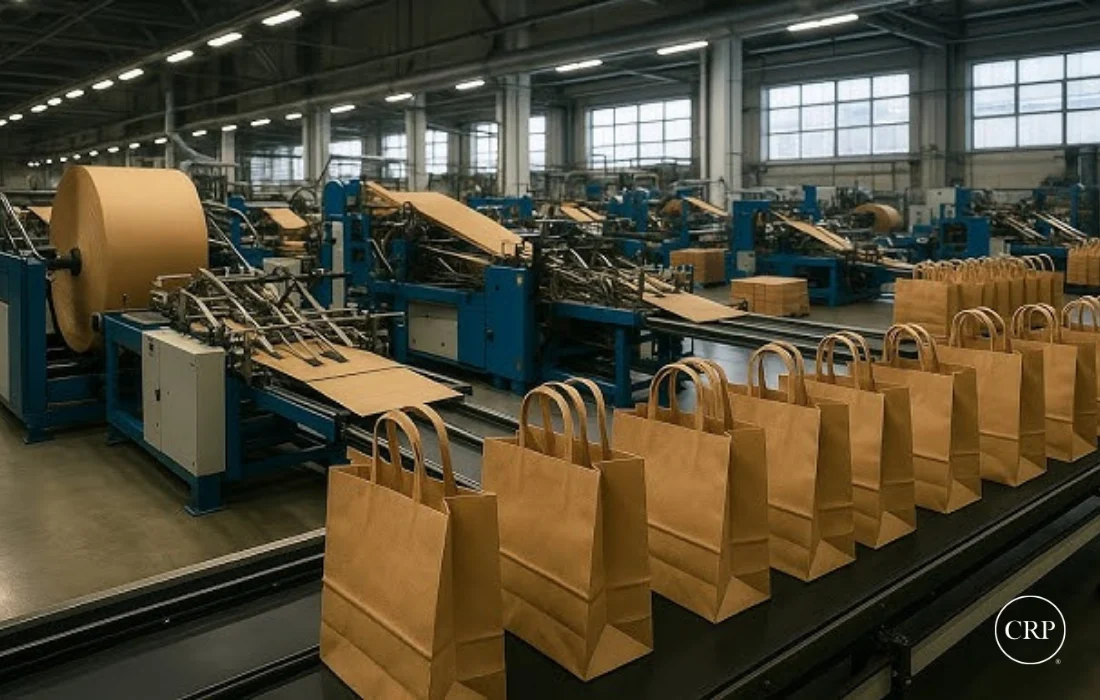
With design and sustainability goals mapped out, the next step is to source your paper bags and integrate them into your packaging supply chain.
This is a critical operational phase where you translate plans into tangible products without disrupting your business.
Key steps and considerations include:
Finding the Right Vendor
If your brand has only sourced mailers so far, you may need to find a new packaging supplier if your current partner doesn’t provide custom bags.
This will prevent you from juggling multiple suppliers.
When evaluating suppliers, consider:
- Inspect physical samples and require documented quality standards before approving a supplier. Early validation reduces the risk of failures that can disrupt store operations and damage your brand’s reputation.
- Confirm the supplier can produce your required materials, print methods, and formats at scale. Capability alignment prevents re-sourcing when volumes grow or designs evolve.
- Review MOQs and plan order volumes to balance unit cost savings with realistic inventory needs. This avoids tying up cash in excess packaging while benefiting from lower pricing through strategic inventory management.
- Validate standard production timelines and buffers for reorders or changes. Reliable lead times protect store openings and promotional calendars.
- Evaluate total landed cost, including freight, duties, tooling, and overruns. Focusing beyond unit price prevents unexpected margin erosion.
Provide detailed specs covering materials, dimensions, print, and tolerances. Precise specs reduce misinterpretation and costly production errors during execution.
SOLUTION SPOTLIGHT: We deliver fully integrated packaging solutions across retail, e-commerce, and fulfillment. With a scalable packaging system in place, your brand is positioned to grow faster while protecting margins and brand equity.
Managing Inventory
Integrating the new paper bags into your packaging program means figuring out how to store and distribute them.
Depending on your operations, you might have all packaging shipped to a central warehouse or directly to stores.
Here is what to consider when it comes to inventory management:
Storage Space
Paper bags, especially if you order in bulk, will come in large cartons.
If space is tight, you may need to arrange more frequent deliveries in smaller batches.
Alternatively, if you have a warehouse or fulfillment center for e-commerce, you might store the bulk of your bag inventory there and replenish stores as needed.
This can ensure consistency and allow you to take advantage of bulk purchasing power.
Inventory Tracking
Implement a simple system to alert you when stock is low so you can reorder in time.
For example, you can customize our ordering system to send out automatic alerts before you hit a critical low level.
This is an area where your existing experience with e-commerce packaging can help.
If you’ve managed reordering custom mailers, boxes, or labels, you likely have a reorder point formula.
Apply similar logic to your paper bags, adjusting for the fact that usage may fluctuate with sales and seasonality.
Integrating Paper Bags into Your Operations
An omnichannel packaging program means your team is now handling paper mailers, shipping boxes, paper bags, and packing materials.
This step-by-step process shows you how to make the implementation of paper bags a smooth process.
- Verify bags against approved specs upon receipt. Early inspection catches issues before bags reach stores or fulfillment teams.
- Assign approved use cases for each bag size. Clear guidelines prevent misuse that slows packing or causes bag failure.
- Integrate bags into store and fulfillment workflows. Defined packing steps reduce decision-making time at checkout and during BOPIS.
- Train teams on cross-channel usage. Consistent training ensures bags are used correctly in retail, pickup, and shipping scenarios.
- Monitor inventory across stores and fulfillment nodes. Shared visibility prevents stockouts in one channel while excess accumulates in another.
- Track performance metrics in real conditions. Data on speed, damage, and customer feedback informs future adjustments.
- Refine usage rules based on operational feedback. Continuous improvement keeps the system efficient as volume grows.

In-Store Execution and Customer Experience
The focus now shifts to how your paper bags are used in-store and how they contribute to the customer experience.
Consider these components to get the most out of your bags.
Training Staff
Educate your store staff on the importance of the new packaging.
These tips will help streamline your retail operations:
- Show how to properly open the bags. Correct opening prevents creasing and tearing.
- Demonstrate how to remove and fluff tissue paper. Proper preparation creates a premium presentation.
- Train staff on correct product placement. Good placement protects the product and improves visual appeal.
- Clarify when to use each bag size. Size guidance prevents overstuffing and double-bagging.
- Set clear weight limits for each bag. Defined limits reduce bag failures at checkout.
- Standardize how the bag is presented to the customer. Consistent handoff reinforces a polished brand moment.
- Show how to store bags and tissue between uses. Proper storage keeps materials clean and ready for use.
Customer Messaging
Use the bag to communicate with your customer even after they leave the store.
Apart from logos and slogans, some brands print their website URL or social media handles on the bag.
This encourages customers to follow or tag them in posts.
If your bags have any special features, like a QR code that leads to an online survey or a loyalty program, ensure staff are aware so they can point it out.
Omnichannel Synergy
The beauty of an omnichannel packaging program is that each element can reinforce the other channels.
For example, an attractive paper shopping bag may prompt a friend of the customer to ask, “Oh, where did you get that?”
This leads to word-of-mouth that benefits both your physical and online store.
Conversely, you might include a flyer or card in your e-commerce shipments that says, “Show this card in our new store for a free tote.”
Monitoring Feedback
After rollout, gather feedback on your paper shopping bags.
Feedback can be collected informally through store associates who report customer compliments about the bags.
More formal input can be gathered through customer satisfaction surveys that include a specific question about packaging.
Use this feedback for continuous improvement.
Packaging is not a “set and forget” component.
Just as you iterate on products, be ready to iterate on packaging.

Launch an Omnichannel Packaging Program Built for Modern Retail
If you’re ready to build an omnichannel packaging program without added complexity, we partner with you from strategy through execution to make it happen.
Our team combines sourcing expertise, design discipline, and operational insight to help your brand scale confidently across retail and e-commerce.
How We Help Brands Succeed
- Omnichannel packaging strategy: Align packaging formats, materials, and branding across retail, e-commerce, and fulfillment.
- Custom paper bag and packaging design: Create cohesive systems that balance performance, cost, and brand expression.
- Supplier sourcing and procurement: Secure reliable production with vetted partners and competitive pricing.
- Specs and quality management: Ensure consistency through detailed specs, samples, and quality controls.
- Scalable execution: Support store rollouts and growth without reworking your packaging foundation.
Schedule a free consultation to see how a unified approach reduces friction, controls costs, and elevates your brand experience.