

When to Make the Switch from Generic to Branded To-Go Packaging
How expanding restaurant brands leverage custom to-go packaging to drive repeat orders and brand loyalty.
Table of Contents
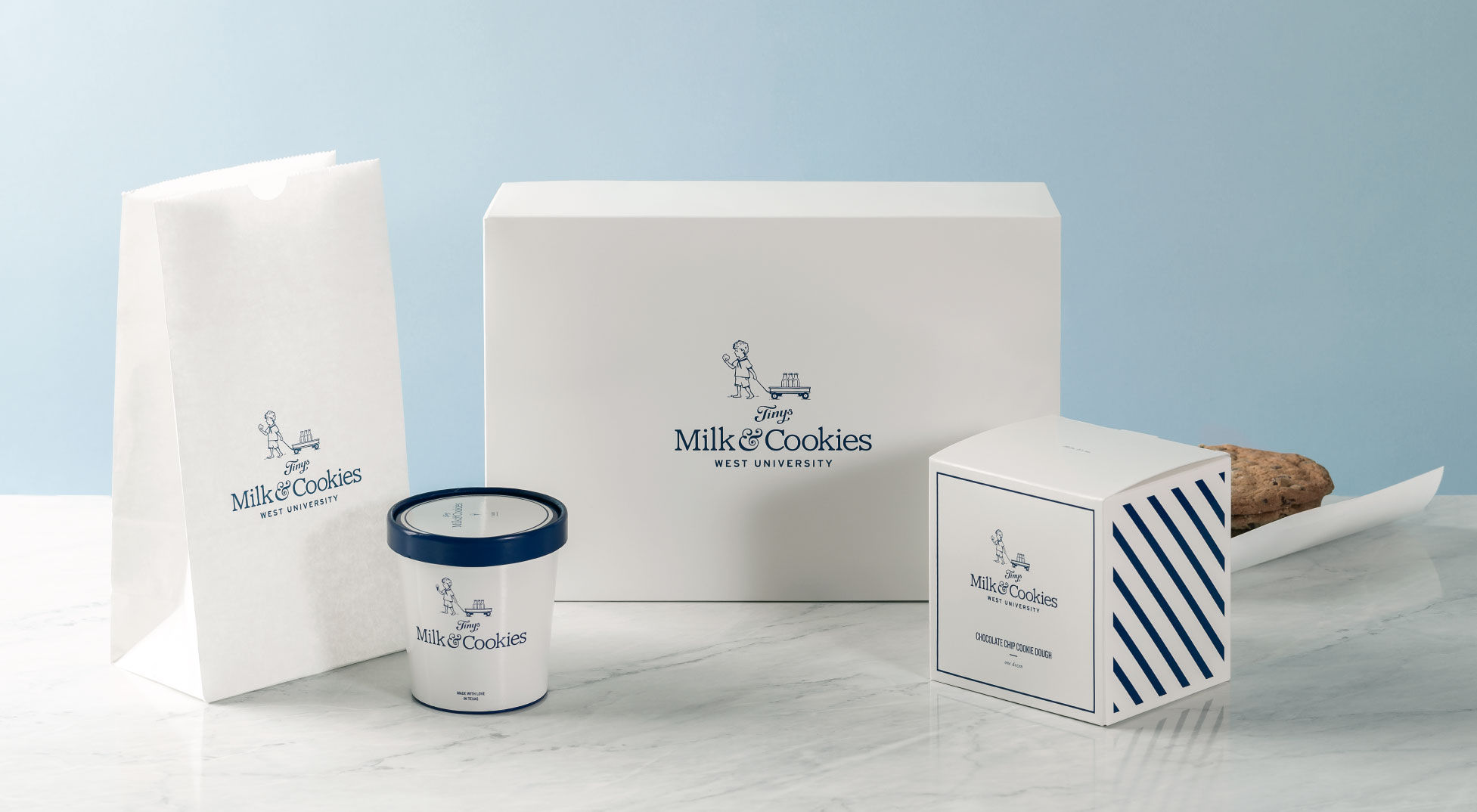
Outgrowing Generic Bags: When to Upgrade to Custom To-Go Packaging
In the early stages of a restaurant concept, generic unprinted bags serve a simple purpose: they transport food from kitchen to counter cheaply. However, as off-premises dining has shifted from a convenience option to the primary growth engine for hospitality brands, relying on stock packaging quickly turns from a cost-saver into a growth bottleneck.
According to recent foodservice tracking from Circana, off-premises ordering now accounts for over 68% of all U.S. restaurant visits, making carryout and delivery the primary revenue driver for modern concepts. To support this shift, industry research from Datassential shows that 62% of restaurant operators have increased capital investments in off-premise infrastructure, dedicated pickup areas, and specialized packaging systems. The ROI on this investment is measurable: consumer research by Technomic indicates that upgrading to premium, branded packaging can increase perceived meal value by up to 18% and directly boost repeat ordering intent by 32% among frequent takeout diners. Furthermore, data from L.E.K. Consulting reveals that over 50% of consumers are willing to pay a premium for packaging that protects food quality and temperature in transit.
Continuing to use unbranded, generic bags as your multi-unit footprint grows leaves marketing value on the table, risks order integrity, and creates supply chain friction across locations. How do you know when your brand has reached the tipping point? Here are four clear signs it is time to upgrade your to-go packaging strategy.
1. Your Off-Premise Handoff is Your Main Brand Touchpoint
When the majority of your guests experience your food at home, in the office, or on the go, your takeout bag is often your primary physical brand interaction. Generic kraft or plastic bags miss out on thousands of potential impressions every single day.
Renowned hospitality brands like Perry’s Steakhouse, Tiny Boxwoods, and Specialty’s Cafe understand that the dining experience begins at the handoff. Custom-printed to-go packaging turns every order into a mobile billboard that signals quality to everyone who sees it between your kitchen and the guest’s table. If your dining room branding doesn’t match your takeout presentation, it’s time to make the switch.
2. Order Volume Unlocks Manufacturing Scale
Many growing restaurant groups assume custom packaging is cost-prohibitive. In reality, buying off-the-shelf generic bags in small, frequent distributor orders often carries hidden markup costs and unpredictable pricing.
Once your restaurant footprint expands to the point where you can consolidate demand, custom manufacturing becomes exceptionally cost-effective. Partnering directly with a procurement specialist allows you to hit high-volume production tiers that lock in lower per-unit costs while elevating your brand presentation:
- Paper Take-Out & Catering Bags: Minimum Order Quantity (MOQ) of 50,000 units
- Wide-Gusset Paper & Delivery Bags: MOQ of 100,000 units
- Diecut Handle & Specialty Options: MOQ of 100,000 units
- High-Volume Plastic & Wavetop Bags: MOQ of 250,000 units
If your multi-unit operation meets these baseline volumes, continuing to buy off-the-shelf generic stock means paying premium prices for zero brand equity.
3. Structural Failures Are Impacting Customer Satisfaction
Generic bags are designed to be “one-size-fits-all”—which usually means they fit no specific menu well. If your kitchen staff is forced to stack wide containers vertically, squeeze catering pans into narrow openings, or double-bag heavy orders to prevent torn handles, your packaging is failing your operational needs.
Upgrading to specialized to-go packaging solves structural friction at the pass:
- Wide-Gusset Paper Bags provide flat-bottom stability for large meal containers and bowls, preventing spills in transit.
- Reinforced Catering Bags distribute weight evenly for heavy, multi-course orders.
- Engineered Handle Styles eliminate embarrassing drops on a guest’s doorstep.
If negative reviews or refund requests stem from spilled food or failed bags, custom-engineered packaging is immediate insurance for your reputation.
4. Location Managers Are Fighting Supply Chain Disruption
Sourcing generic packaging on a store-by-store basis leads to inconsistent quality, mismatched paper shades, and unexpected stockouts during peak holiday rushes. Scaling up shouldn’t mean lowering your standards or leaving individual managers to scramble for inventory.
Transitioning to a centralized, custom packaging program takes procurement off your plate. A single managed system ensures every store receives pristine, color-matched, structurally identical bags right on time—every time.
Take Packaging Procurement Off Your Plate
Your packaging should propel your business forward, not hold it back. Upgrading from generic to custom to-go packaging allows you to hit your sustainability goals, protect food quality, and maintain strict brand standards without sacrificing performance or budget.
Ready to build a reliable, high-impact packaging program for your growing restaurant group? Contact Creative Retail Packaging today to explore our custom solutions and case studies.
Sources & References
- Off-Premises Restaurant Traffic & Market Growth: Circana — Foodservice Industry Off-Premises Trends & CREST Traffic Report
- Consumer Sentiment & Packaging Reliability: Datassential — Packaging Perspectives Report: How Packaging Elevates the Dining Experience
- Takeout Packaging ROI & Perceived Value Studies: Technomic — Foodservice Packaging & Consumer Loyalty Insights
- Packaging Willingness-to-Pay Analysis: L.E.K. Consulting — Packaging ROI and Consumer Willingness to Pay