

The 8 Hidden Costs of Low-Tier Takeout Bags
Eight costs hide inside every low-quality takeout bag. Here's how to find them before they find you.
Table of Contents

A lot of growing restaurant brands don’t think about how a low-quality takeout bag could be costing them money.
There are many ways this can drain your resources, and as you begin to scale, it becomes very costly.
In this article, we break down all the hidden costs and show you exactly how to prevent them.
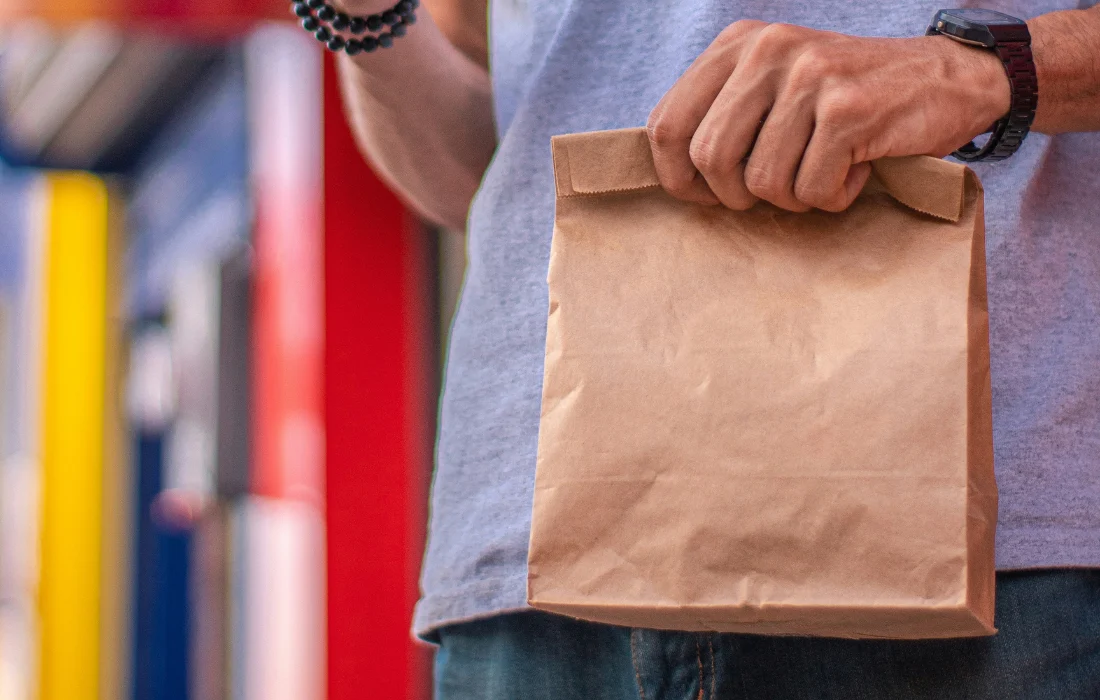
Hidden Cost #1: Bag Failures Turn Into Refunds, Remakes, and One-Star Reviews
Every purchasing manager hears about these failures from store teams.
The complaints follow a familiar pattern.
- Handles detach under the weight of a multi-item order.
- Grease soaks through the paper and creates a mess.
- Bottom gussets give out mid-carry.
- The bag tears, and the order arrives crushed or spilled.
Every failure costs you three times.
The first cost hits the register in the form of refunds or remakes.
The second comes from lost customers over time.
The National Restaurant Association’s 2022 survey found that 78% of consumers are less likely to reorder after receiving cheap, flimsy takeout packaging.
We can safely say that this applies to takeout bags as well.
The third cost goes public.
This is when a bag failure becomes a photo in a 1-star review.
There is no deleting that.
The internet never forgets.

Hidden Cost #2: Bad Bags Slow Down Your Kitchen, Drive-Thru, and Pick-Up
Quick-service restaurants understand the importance of speed of service.
But when your takeout bags slow down your operation, you make less money.
When it comes to order assembly, 4 problems show up again and again:
- Slow openings stall the line. A bag that won’t pop open adds seconds to every order. During a lunch rush, those seconds pile up into lost revenue.
- Awkward loading creates errors. Staff struggles to fit containers into bags that don’t match the order. Rushed loading leads to tipped food and missing items.
- Double-bagging doubles your cost. When one bag can’t hold a full order, staff grab a second one. Your usage rate doubles, and your per-unit savings disappear.
- Too many bag sizes clog your storage. Extra SKUs make inventory counts harder. They also eat up space that most kitchens don’t have.
Our guide to right-sizing your takeout bags covers this topic in more detail and shows you how to design to fit your orders.

Hidden Cost #3: Stockouts Disrupt Operations and Force Unnecessary Costs
No bags means no takeout order, or it might be one that will be a very frustrating carry to the car.
The moment a location runs out, the scramble begins.
You must pay inflated prices to ensure you can source branded bags.
The airfreight bill can erase the low-cost per-unit savings that started this chain reaction in the first place.
The best strategy is to always look for high-quality.

Hidden Cost #4: Sourcing From a Single Region Hides Risk in Every Order
When every bag ships from one part of the world, one clogged port can leave you exposed for weeks.
A supplier with no backup region has no way to catch up.
This lesson always arrives with costly consequences.
You should never have to pay it.
Our certified global network builds resilience into your supply chain.
If one region fails, another one takes its place, and your locations never feel it.
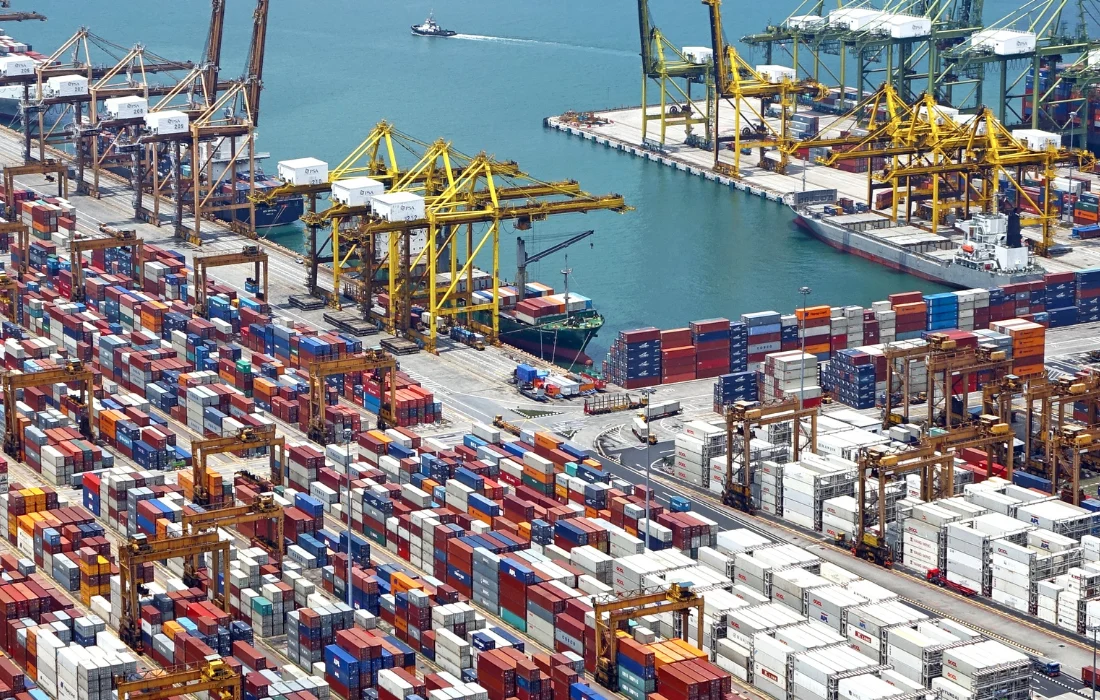
Hidden Cost #5: Tariffs and Duties Can Reprice Your Bag Program Overnight
The U.S. tariff landscape remains highly volatile and elevated.
Every imported paper bag carries tariff and duty charges baked into its quote.
Those charges can change without warning, and history shows they often do.
A new tariff can raise your takeout bag cost by double digits before your next order ships.
Restaurant margins are too thin to absorb that kind of jump on a high-volume item.
Let us help you source high-quality paper takeout bags that will protect your margins.

Hidden Cost #6: Plastic Bag Bans Are Spreading, and Non-Compliance Is a Bill You Can’t Negotiate
Plastic bag bans are spreading across the country.
Twelve states have banned single-use plastic bags:
- California
- Colorado
- Connecticut
- Delaware
- Hawaii (de facto)
- Maine
- New Jersey
- New York
- Oregon
- Rhode Island
- Vermont
- Washington
More than 500 municipalities have removed single-use film plastic bags from the point of sale.
Roughly 1 in 3 Americans now lives in a place with some form of plastic bag policy, according to research published in Science in June 2025.
Compliance has become a permanent line item, and you must plan for it.
Operators who switch early set their own timeline, negotiate their own pricing, and test their bags before the deadline forces a choice.
Building compliance into your restaurant sustainability strategy now will always cost less than switching on a regulator’s schedule.

Hidden Cost #7: Inconsistent Takeout Bags Quietly Erode the Brand You’ve Been Building
Bags that vary in color, print, or weight across locations make the brand look unmanaged.
Customers register the difference even when they can’t name it.
Off-brand substitute bags during shortages inflict the worst damage.
Our team always ensures that color-calibrated printing delivers matching quality across all locations.
This is the same way exact color matching gave to Water Oak Cafe & Bakery that carries its brand on every order.
Your bag in Charlotte should match your bag in Dallas, down to the shade of red.

Hidden Cost #8: Ignoring Sustainability Costs You Customers and Growth
Consumer demand for sustainable packaging shows up clearly in the data.
In McKinsey’s U.S. survey, 60% to 70% of consumers said they would pay more for sustainable packaging.
Gen Z and Millennial consumers show the highest willingness to pay.
According to a joint McKinsey and NielsenIQ study, products with sustainability claims grew 28% over 5 years, versus 20% for products without them.
Corporate ESG teams have noticed.
Brands are requiring recycled content, recyclability, and compliance reporting from bag suppliers.
A bag program built on sustainable paper bags answers the question before anyone asks it.
The True-Cost Checklist: 8 Questions That Reveal What Your Bags Actually Cost
Run your current program through these questions.
Honest answers usually surprise the finance team.
- What is our refund and remake rate tied to packaging failures?
- How many times per year do stores run out of bags?
- What did emergency freight cost us last year?
- What is our tariff and duty exposure by sourcing region?
- Which of our markets have bag regulations taking effect in the next 24 months?
- Do our bags look identical across every location?
- Can our current takeout bags carry a full order without double-bagging?
- Can our supplier produce a sustainability compliance report today?
The Fix: What a Modern Paper Takeout Bag Program Looks Like
Every hidden cost in this article has an engineering or sourcing answer.
| Hidden Cost | Program Solution |
|---|---|
| Field failures and refunds | Weight-tested, grease-resistant, stress-tested construction |
| Kitchen slowdowns | Bags engineered for quick opening and right-sized loading |
| Stockouts and emergency freight | Forecasting, safety stock, and proactive replenishment |
| Tariff exposure | USMCA-compliant nearshore production in Mexico |
| Regulatory risk | Compliant paper specs with verified PCR content |
| Brand inconsistency | Color-calibrated, multi-plant print matching |
| Sustainability gaps | FSC-certified papers, high-PCR options, and custom ESG reports |
Partner With the Bag Pros
Your bag should work as the cheapest insurance policy your brand owns.
Right now it may drain money through refunds, fines, and stockouts instead.
We have spent more than 45 years building custom takeout bag programs for premium restaurant and retail brands.
We know where the money leaks.
What We Bring to the Table
- Custom paper takeout bag design and sourcing
- Eco-friendly materials, including FSC-certified and recyclable options
- Strict quality control across every order and location
- Color-matched printing for consistent branding across all locations
- Warehousing and distribution support
- Forecasting and inventory planning to prevent stockouts
- Dedicated account teams with responsive service
Book an assessment, and we’ll show you exactly what your current bags are really costing you.