

California Plastic Bag Ban 2026 Compliance Guide
California's plastic bag ban affects your compliance, logistics, and packaging budget. This guide gives you the strategies to transition without disruption.
Table of Contents
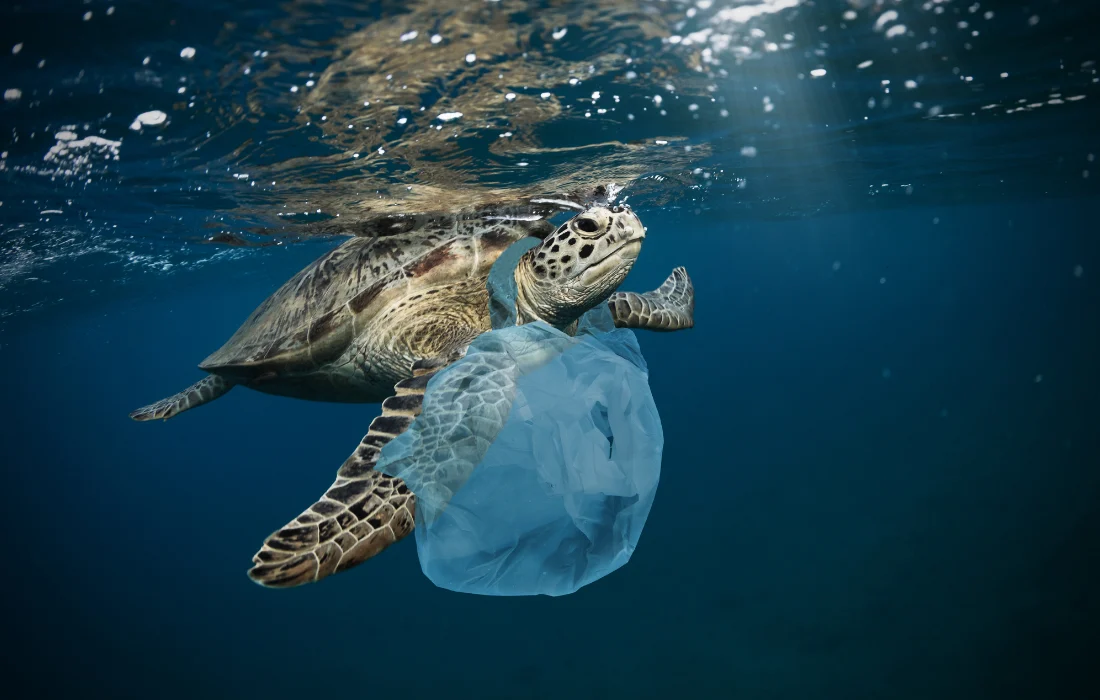
California’s plastic bag ban is now law.
Retailers that haven’t switched to compliant bags risk fines, supply chain disruptions, and a messy customer experience.
The transition involves more than swapping plastic for paper.
You also need to rethink your storage, adjust your order cycles, and restructure your packaging budget.
This guide covers the compliance requirements, logistics strategies, and cost controls that will keep your operations running smoothly.
Key Takeaways
- Transition on your timeline. Setting your own exit date and soft-launching paper bags early prevents a last-minute scramble when enforcement begins.
- Compliance goes beyond material. Paper and compostable bags must meet specific labeling, recycled content, and certification standards to qualify under California law.
- Logistics change with the bag. Paper bags require more storage space, different handling procedures, and adjusted order cycles to avoid waste and damage.
- Budget smarter, not bigger. The mandatory $0.10 bag fee, simplified printing, and standardized sizing can offset higher per-unit paper bag costs.
What Is California’s Plastic Bag Ban?
The California Plastic Bag Ban is a statewide law that prohibits most stores from handing out plastic bags at checkout.
Starting January 1, 2026, only paper or reusable bags can be used.
A separate rule beginning January 1, 2025, bans plastic produce bags.
So, what should you do?
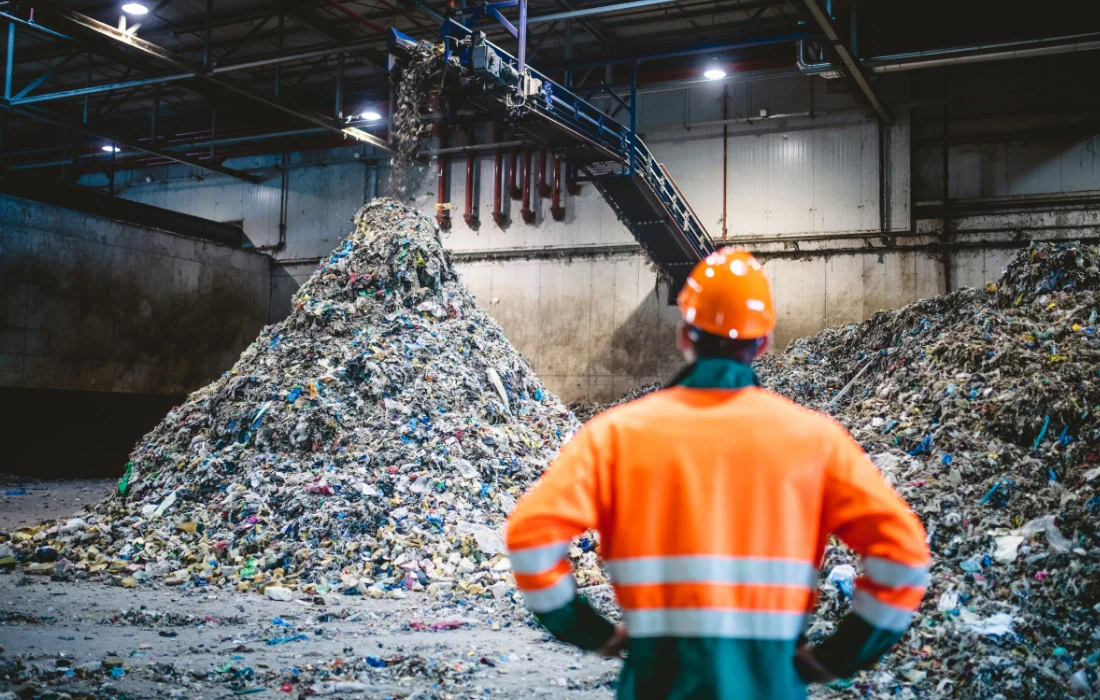
How to Phase Out Your Plastic Bag Inventory
Phasing out plastic bags isn’t just about swapping one material for another.
It’s a chance to rethink how your business handles change.
This is your opportunity to prepare your operations for a circular economy.
A thoughtful transition helps you…
- Stay ahead of the law
- Avoid disruptions to operations
- Promote sustainability
These tips will help you clear out your plastic bag inventory.
Set Your Own Deadline Before the State Sets It for You
Choose your deadline—don’t wait for the state.
A clear cutoff keeps your team focused and avoids a last-minute scramble.
Work backwards from that date to map out what needs to happen each week.
Then, execute.
Soft-Launch Paper Bags to Catch Problems Early
Introduce paper and reusable bags now to catch supply issues early.
This will provide honest feedback from your team and customers.
A soft launch helps everyone adjust before the law makes it final.
Tell Customers What's Changing and Why
Confusion kills momentum—keep your message simple.
Use signs, checkout scripts, and social posts to explain what’s changing and when.
Customers respect businesses that lead with clarity.
Work with a Supplier Who Knows California Bag Law
Work with a packaging supplier who knows California’s bag laws inside and out.
The right partner helps you stay compliant, avoid packaging tariffs, and prevent delays within your supply chain.
Don’t just replace bags—learn how to upgrade your entire packaging program with our custom solutions.

Which Bags Qualify Under California Law
Shopping bags in California must be made from approved materials, include certain features, and be properly labeled.
Below are the two main types of shopping bags that qualify under current and upcoming laws.
Paper Bag Rules: Pricing, Materials, and Deadlines
Grocery stores, retail stores with pharmacies, convenience stores, food marts, and liquor stores must follow these new rules.
- Starting January 1, 2026, you can only give out recycled paper bags at checkout.
- Each paper bag must be sold for at least $0.10.
- This rule applies at checkout counters, self-checkout kiosks, in-store pickup, curbside, and home delivery.
Future change: Starting January 1, 2028
All paper bags must have at least 50% post-consumer recycled material.
Compostable Bag Rules: Labeling, Certifications, and PFAS Limits
Compostable bags must follow specific guidelines to be allowed:
- Cannot show the recycling symbol or chasing arrows.
- Cannot be labeled as “biodegradable,” “degradable,” or “decomposable.”
- The opening of the bag must be at least 15 inches wide.
Labeling
- Be green with the word “compostable” on one side in 1-inch letters, or…
- Show the word “compostable” on both sides, either in 1-inch green letters or inside a 1-inch green band.
Additional Requirements
- Must look different from regular plastic bags and follow FTC labeling guidelines.
- Must meet the ASTM D6400-19 composting standard and be verified by a trusted third party.
- Must be made to hold compostable waste like food scraps or yard trimmings.
- If labeled “home compostable,” the packaging manufacturer must have the OK compost HOME certification.
- Must contain less than 100 parts per million of PFAS.
Future change: Starting January 1, 2026
Starting January 1, 2026, the shopping bag must also qualify as an organic input under the USDA’s National Organic Program.

How Paper Bags Change Your Logistics
Switching to paper bags changes more than what your customers carry out products.
It affects how you store, handle, and manage your inventory behind the scenes.
Keep operations running smoothly with these strategies for packaging logistics.
Plan for More Storage Space
Paper bags take up more room than plastic bags.
They don’t compress the same way and usually come in larger cases.
Reorganize your stockroom now so you’re ready when deliveries arrive.
Adjust Your Order Frequency
You might need to place fewer but larger orders—or smaller, more frequent ones.
It depends on your storage capacity and how quickly you use shopping bags.
We’ll help you find a rhythm that keeps shelves stocked without waste.
Keep Bags Dry and Protected
Paper bags can be damaged by moisture or humidity.
Make sure your storage area is dry and well-ventilated.
Avoid stacking them near areas where moisture can build up.
Train Staff to Pack and Store Paper Bags Correctly
Paper bags are strong, but they still tear if handled carelessly.
Show your team how to pack them evenly into spaces and avoid overloading.
This will help you reduce packaging waste in your operations.

How to Control Costs After the Switch
Paper bags are strong, but they still tear if handled carelessly.
Show your team how to pack them evenly into spaces and avoid overloading.
This will help you reduce packaging waste in your operations.
Use the $0.10 Bag Fee to Offset Higher Costs
The law underpinning the California Plastic Bag Ban allows you to charge at least $0.10 per paper bag.
This fee helps cover your increased packaging costs.
Let customers know it’s required by law and supports recycling programs.
Flat-Handle and No-Handle Bags Save Money
Flat-handle or no-handle paper bags are cheaper to produce.
They’re still sturdy enough for most uses and save you money per bag.
Choose the style that fits your customer experience without overbuilding it.
Fewer Bag Sizes Means Lower Production Costs
Using the same bag sizes across all locations reduces complexity.
Ask us how this strategy can simplify ordering and lower production setup fees.
It also helps you track usage more easily and reorder faster.
One-Color Printing Cuts Costs Without Hurting Your Brand
Full-color custom bags cost more to print and produce.
One-color designs are more affordable and still look professional.
You can stay on-brand without overspending on custom paper bags.

Start Your Transition to Compliant Paper Bags Today
Make your switch to compliant shopping bags simple with our custom solutions.
Our global network of top-tier sources ensures a steady supply and consistent quality.
We work with suppliers outside tariff zones to help you avoid hidden costs and delays.
Every shopping bag you buy from us fully complies with California’s regulations.